PRISM Materials

Architectural glass samples

Light in section.

Three surfaces, one line of light. Compare how clear, etched and ribbed glass shape a room.

Build a sample list
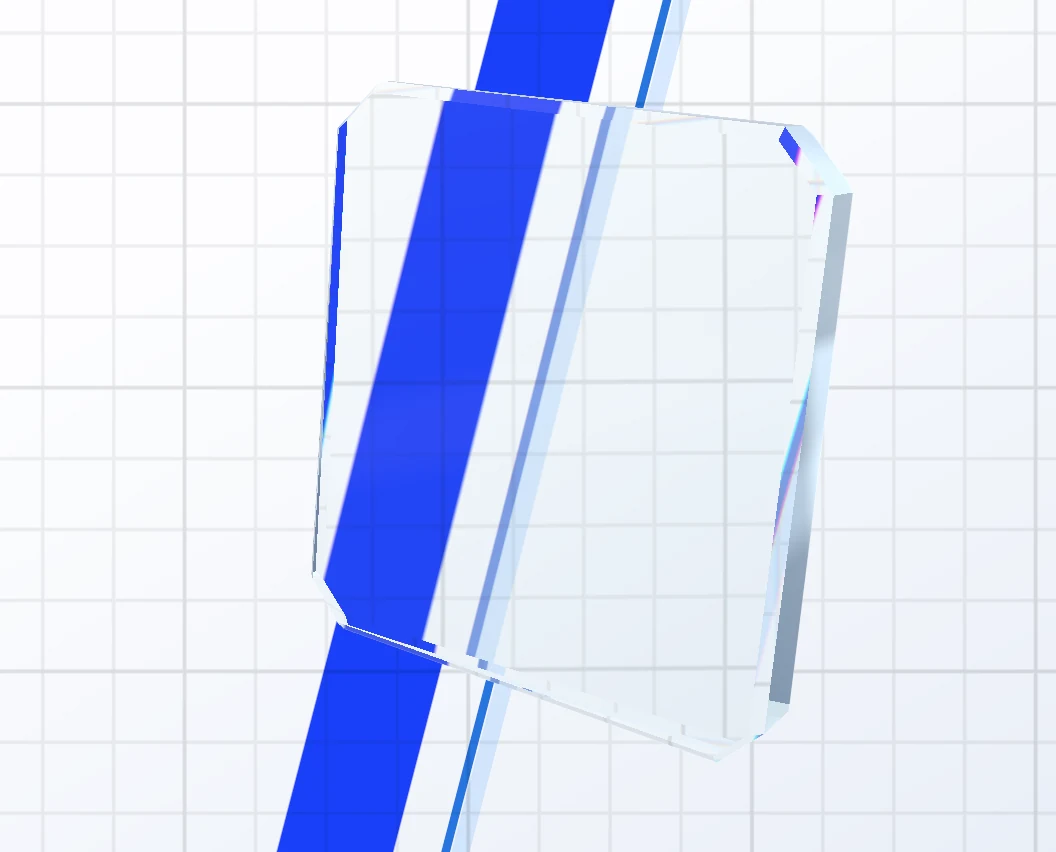
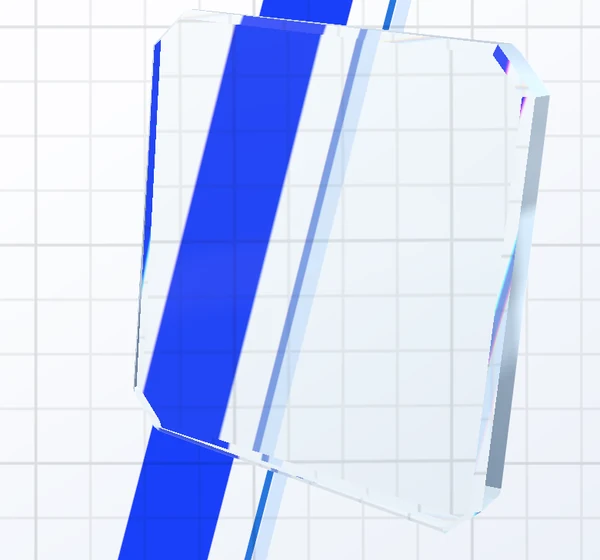
A thick bevelled glass specimen refracts a cobalt band and a drafting grid into several coloured edges.
Optical study · wedge specimen CL–01 Optic Clear

Showing the still specimen.

The glass range

Choose how much of the view to keep, from crisp outlines to soft silhouettes.

Blue band refracted through the polished bevel of clear glass

CL–01

Optic Clear

Keeps outlines and light visible through the pane. Side light leaves a clean blue line along the thick edge.

Surface
Double-polished
Sample size
150 × 150 mm
Indicative thickness
12 mm
Applications
Display cases, shelving and open-view screens
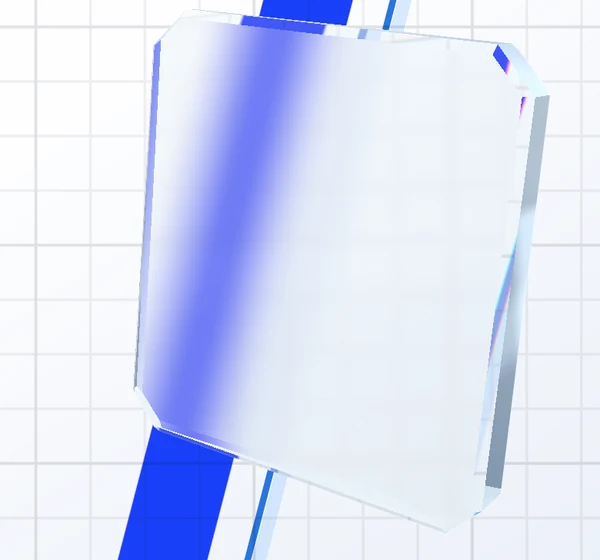
Satin glass diffusing a blue band into a soft field of light

ST–02

Etched Satin

A fine etch softens crisp lines. Up close the surface reads as a grain, at a distance as a field of light.

Surface
Single-face etch
Sample size
150 × 150 mm
Indicative thickness
10 mm
Applications
Meeting-room screens, cabinet fronts and entryways
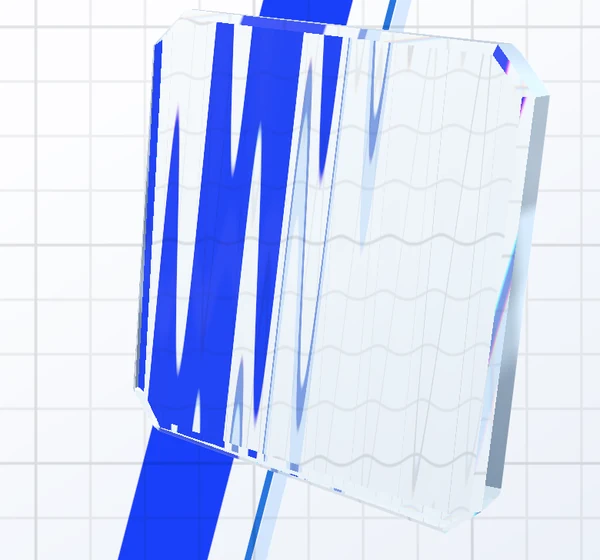
Ribbed glass splitting a cobalt band into narrow strips

RB–03

Linear Rib

Closely spaced ribs split the view into narrow slices that shift as you move past.

Surface
Single-face rib
Sample size
150 × 150 mm
Indicative thickness
14 mm
Applications
Sliding doors, reception desks and wall insets

Sample builder

Build your sample list.

Group the surfaces you want to compare in the same space.

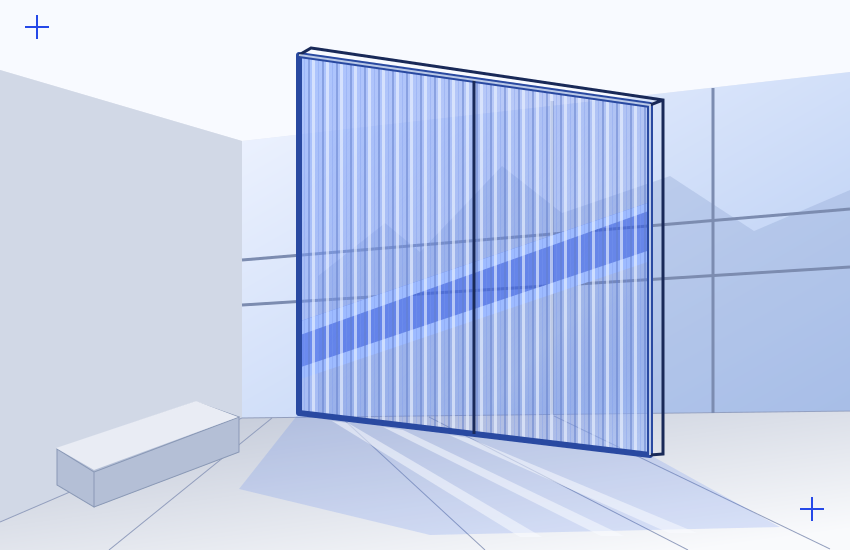
Illustrative interior section

In context

Choose in the light it will live in.

The same glass reads differently lit from the front or from behind. Compare samples in their intended position with the light and viewing distance you expect in the finished room.

Build a sample list

From sampling to fabrication

  1. Build a set

    Decide how much of the view to keep. Gather the surfaces and quantities you want to compare.

  2. Test in place

    Try daytime and evening light. Hold the samples next to the wall or frame material you intend to use.

  3. Confirm the details

    Take the sample brief to your fabricator to discuss dimensions, fixing, edge treatment and lead time.

Care and delivery

How do I clean a sample?

Dust with a soft cloth, wipe with a little water, then dry. Avoid abrasives on etched and textured faces. Follow your supplier’s care instructions for the finished glass.

Will the finished glass match the sample?

Samples help you compare surfaces and light transmission. The finished dimensions, thickness and colours behind the glass affect its appearance. Confirm these details with your fabricator.

Does a download request delivery?

Your browser creates a text brief you can share. This concept website has no shop, submission or delivery service.